In the fast-paced world of SEO, getting Faster Google Indexing for your pages can mean the difference between a successful site and one that struggles to gain traction. If you’ve ever found yourself frustrated by Google taking its sweet time to recognize your latest content, you’re not alone. Fortunately, the right site structure and internal linking strategy can help speed up the process.

Why Faster Google Indexing Matters
Google’s index functions like a vast catalog, organizing and storing information from across the internet for quick retrieval. If your page isn’t in it, it might as well not exist. When new content takes too long to appear in search results, it can:
- Delay organic traffic growth.
- Reduce the effectiveness of timely content.
- Negatively impact revenue for e-commerce sites.
The good news? You can influence how quickly Google indexes your content by structuring your site correctly and using internal links strategically.
How Internal Linking Helps Google Discover Your Pages
Google’s crawlers, automated bots that scan and index webpages, rely on internal links to navigate your site. These crawlers revisit pages at varying intervals depending on factors like site authority, update frequency, and overall content freshness, which can impact how quickly changes are reflected in search results. If a page has few or no internal links pointing to it, Google may take much longer to find it—or worse, ignore it altogether. Here’s how effective internal linking speeds up indexing:
- Establishes page relationships – Google sees internal links as signals of importance. Linking from authoritative pages to new ones helps transfer ranking power.
- Encourages deeper crawling – If your site has a logical linking structure, crawlers can efficiently move from page to page, ensuring nothing is left behind.
- Prevents orphan pages – Pages without internal links are difficult for Google to discover, making them less likely to be indexed.
For a detailed guide on how to optimize internal linking, including best practices for structuring links, avoiding orphan pages, and maximizing crawl efficiency, check out McNeece’s Ultimate Guide to Site Structure and Internal Linking.
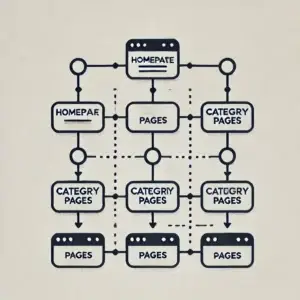
The Role of Site Structure in Faster Google Indexing
A well-structured website makes it easier for both users and search engines to find content. Key elements of a strong site structure include:
- A logical hierarchy – Your homepage should lead to category pages, which should link to individual posts and product pages in a structured manner.
- Breadcrumb navigation – Helps users and search engines understand the relationship between pages.
- Consistent URL structures – Short, clear URLs are easier for search engines to crawl and understand.
For example, a well-structured site might have a clear, hierarchical navigation like this:
Good Example:
Home → Blog → SEO Tips → How to Optimize Internal Linking
This structure keeps content organized, making it easy for users and Google to navigate.
Poor Example:
Home → Page ID: 12345 → Random Post
A structure like this is unclear, lacks hierarchy, and makes indexing difficult.
By implementing a clear structure, search engines can crawl and index your site more efficiently, helping your content appear in search results faster.
Technical SEO Fixes to Faster Google Indexing
If your pages are still taking too long to appear in search results, consider these technical SEO adjustments:
- Submit an XML Sitemap – A sitemap helps Google locate and prioritize your pages.
- Use Google Search Console – Manually request indexing for new or updated content. Read more about requesting indexing.
- Improve Page Speed – Slow-loading pages may be deprioritized by crawlers.
- Fix Broken Links – Ensure all internal links are functioning properly.
- Implement Schema Markup – Learn more about its importance and implementation in this guide on McNeece. Structured data helps search engines understand and prioritize your content.
For more on why some pages take longer to get indexed, check out McNeece’s post on Google’s slow indexing process.
Frequently Asked Questions
If you’re looking for more insights into Google’s indexing process and how get Faster Google Indexing, there are several key factors to consider. Curious about how indexing speed and SEO impact your site’s visibility? Let’s explore these key topics in depth. Check out these helpful FAQs on McNeece:
- How long does it usually take for Google to index a page?
- Does manually requesting indexing speed up the process?
Final Thoughts
Getting indexed quickly isn’t just about luck—it’s about making Google’s job easier. By refining your internal linking strategy and site structure, you can drastically improve your chances of faster indexing and better rankings.
Take the time to audit your website today, starting with an internal linking review using tools like Google Search Console or Screaming Frog, and a sitemap submission. Implement these changes to put your content on Google’s radar—faster. Need help optimizing your website for SEO? Get in touch with us at BSolve IT Limited!